Most Arizona homeowners do not wake up one day and decide to research solar panel maintenance. They start looking it up after their monitoring app shows an unexpected dip, or when they notice pigeons roosting under the panels, or when dust and debris seem to be piling up faster than usual.
In a state where systems run hard year round, small problems can quietly reduce production long before anything fully fails. The good news is that most issues are easier to prevent than they are to repair.
This checklist is designed to help homeowners spot early warning signs and protect their solar investment through heat, dust, monsoon storms, and bird activity.
The Reality of Solar Panel Maintenance in Arizona
Solar panels are built to last, but Arizona creates unique stress on the system. The sun is intense, summer temperatures are high, and dust is constant in many parts of the Valley and the East Valley. Monsoon winds can blow debris across rooftops and cause subtle movement in mounting hardware.
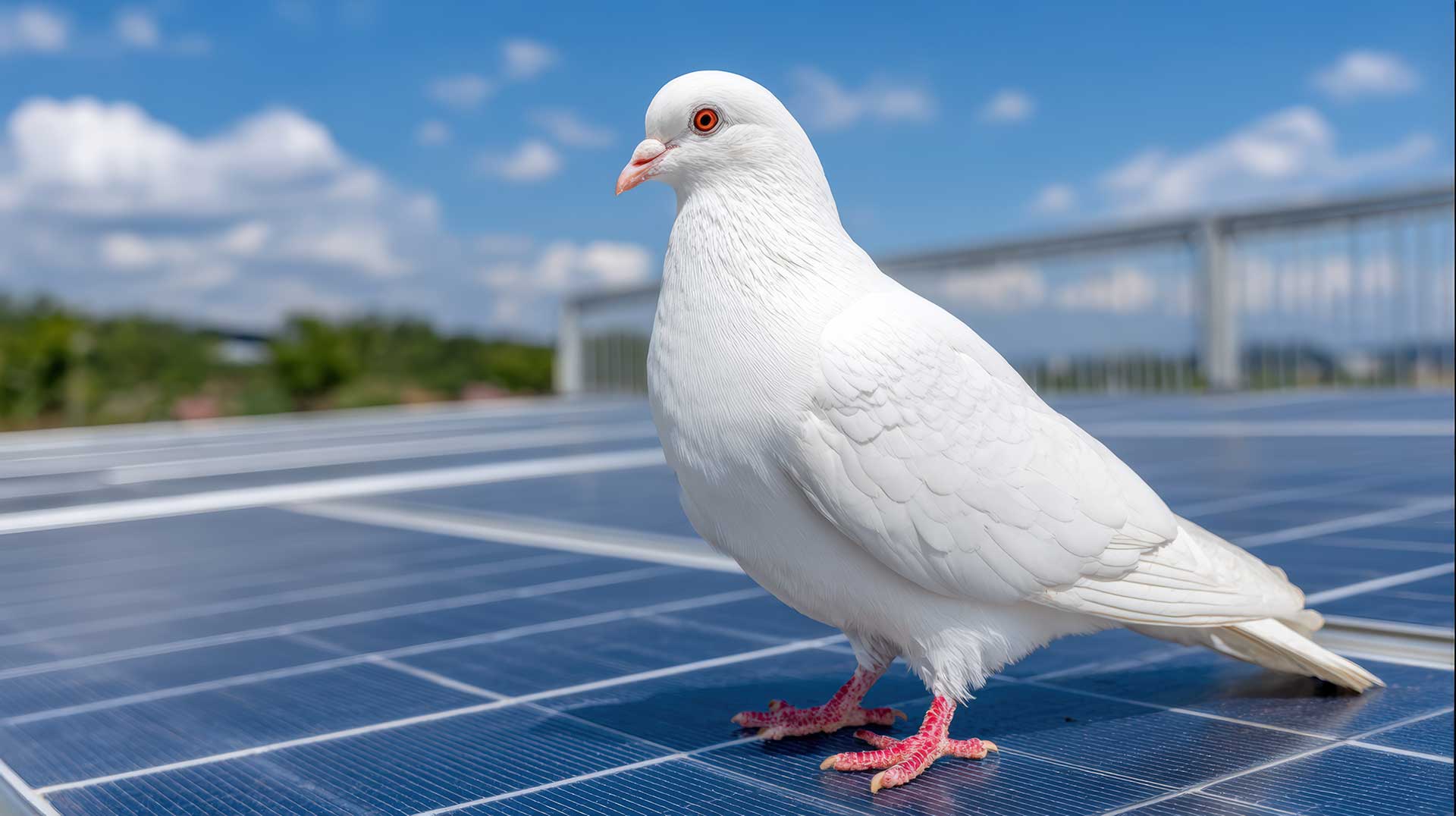
Then there is bird pressure. Pigeons and other birds often look for shade and shelter under panels. When they get access, they can roost, build nests, pack debris underneath, and create conditions that can lead to wiring damage and equipment issues over time.

Safety First, What Homeowners Should Not Do
A quick rule that keeps people safe is this. If it requires climbing on the roof, lifting panels, or opening electrical equipment, it is not a homeowner task.
- Do not climb on the roof.
- Do not lift panels or reach under the array.
- Do not open disconnects, inverters, or electrical panels.
- Stick to monitoring checks in your app and visual checks from the ground.
If you ever see exposed wiring or smell burning near electrical equipment, stop and contact a qualified electrical professional.
Solar Panel Maintenance Checklist for Homeowners
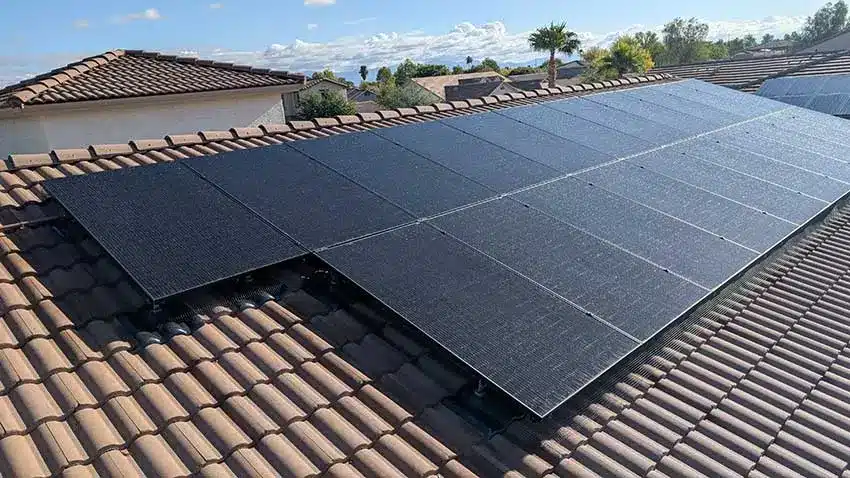
Use this list monthly in Arizona, then do a deeper check every 1 to 3 months. Also run a quick scan after monsoon storms or heavy wind events.
1. Check your solar monitoring app for unusual dips
What to look for: sudden drops in production, missing days, repeated alerts, one section producing less than the rest.
Why it matters: monitoring data often shows issues before you can see them from the ground.
2. Look for dust film or heavy dirt lines on panels
What to look for: visible dusty haze, darker streaks near the lower edge, grime that does not rinse off after light rain.
Arizona tip: dust builds faster near construction, open desert lots, and high traffic roads.
3. Watch for new shading from trees and seasonal growth
What to look for: shade patterns that were not there before, branches drifting closer to panels, thicker canopy than last season.
Why it matters: partial shade in the same spot each day can reduce output.
4. Check for debris buildup near the lower edge of the array
What to look for: leaves, seed pods, blossoms, needles, small branches, and windblown debris collecting along the panel edge or roof valleys.
Why it matters: debris can trap moisture after storms and can block roof drainage paths.
5. Inspect gutters and roof drainage paths after windy days
What to look for: clogged gutters, debris piles, water staining after storms, overflow marks along fascia boards.
Why it matters: monsoon rain hits hard and fast, and blocked drainage can lead to roof wear and water intrusion.
6. Look for bird nesting and roosting under panels
What to look for: pigeons repeatedly landing on the same roof area, nesting material sticking out, roosting sounds, droppings collecting below the array.
Why it matters: birds nest in the shade under panels. Over time, nesting material and droppings can create a mess, restrict airflow, and increase damage risk.
7. Know the wiring risk, birds and rodents can chew on solar wiring
What to look for: bird nesting plus a sudden production drop, monitoring alerts, any visible dangling cable near the roof edge.
Why it matters: wiring often runs under panels and connects to components like microinverters. If animals gain access, the risk increases.
8. Prioritize bird proofing in Arizona, it is one of the best preventative upgrades
What to look for: any access under the array perimeter, repeat pigeon activity, evidence of roosting, nesting material.
Why it matters: bird proofing blocks access under panels and helps protect wiring and under panel components such as microinverters. It also reduces droppings and debris buildup, and helps prevent birds from lifting panels over time.
9. Check for panel alignment changes after storms
What to look for: rows that look uneven, a panel corner that appears lifted, rails that look shifted, panels that do not line up like they used to.
Why it matters: high wind can stress mounting hardware. Small movement can turn into bigger issues if ignored.
10. Look for visible physical damage from the ground
What to look for: cracked glass, chips, shattered sections, bent frames, impact marks after hail or debris events.
Why it matters: even small cracks can spread and may affect performance and safety over time.
11. Pay attention to repeated inverter or microinverter alerts
What to look for: warnings in your monitoring app, repeated disconnect notices during peak heat, frequent error codes.
Arizona note: extreme heat can expose weak components, especially during summer afternoons.
12. Do a quick visual scan of exterior solar electrical equipment
What to look for: corrosion, loose conduit, water exposure marks, unusual discoloration near exterior equipment.
Urgent warning: if you smell burning or see heat damage, stop and contact a qualified professional.
13. Track system age and warranty dates
What to record: install date, panel brand, inverter or microinverter brand, warranty terms, service notes.
Why it matters: good records make troubleshooting easier and help with warranty claims.
A Simple Maintenance Schedule That Works in Arizona
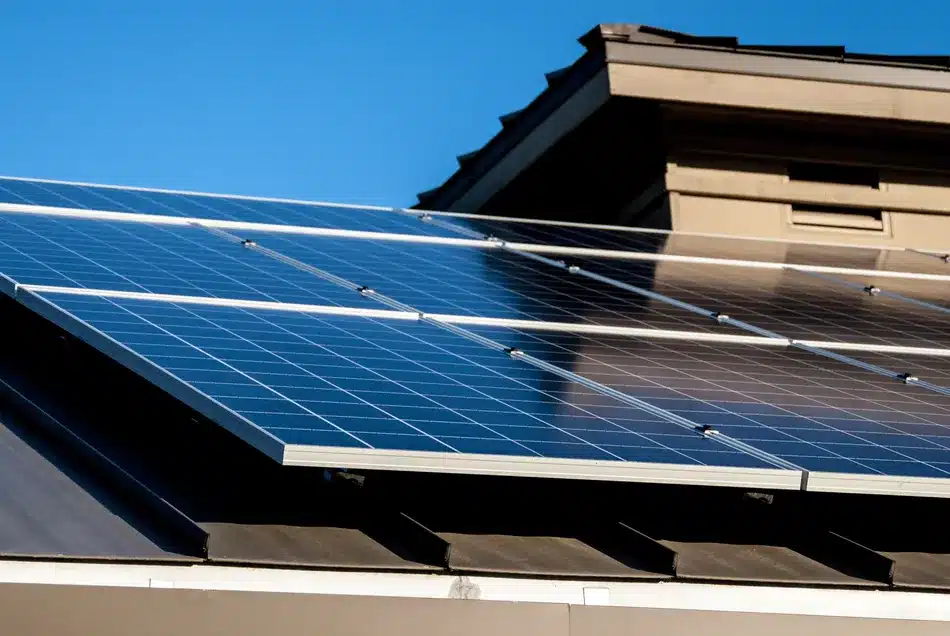
- Monthly: review monitoring and look for pigeon activity, then do a ground level visual scan.
- Every 1 to 3 months: check for dust film, debris buildup, drainage issues, and shifting after wind.
- After monsoon storms: look for visible damage, new debris piles, and alignment changes.
- Anytime birds access the underside: plan bird proofing before wiring or under panel components are damaged.
When to Call a Professional
Some solar problems are not visible from the ground. If any of the items below show up, it is time to bring in a qualified professional.
- A sustained production drop that does not match weather patterns
- Repeated monitoring errors, alerts, or disconnect notices
- Signs of nesting under panels, especially pigeons roosting regularly
- Any suspicion of chewed wiring or animal damage
- Panels that look shifted, loose, or lifted after storms
- Burning smell, discoloration, or heat damage near solar electrical equipment
Internal link tip, place one internal link here to your solar maintenance and installation page using a natural phrase like
solar panel maintenance in Arizona.
FAQ
How often should solar panels be checked in Arizona?
Most homeowners should check monitoring monthly and do a visual scan every 1 to 3 months. Always check again after monsoon storms or heavy wind events, especially if you live near pigeons or trees.
Do pigeons under solar panels cause damage?
Yes. Pigeons can nest under panels, create heavy droppings buildup, and increase the risk of wiring damage. Bird proofing helps block access under the array and protects wiring and under panel components such as microinverters.
Can dust reduce solar production?
Dust can reduce sunlight absorption and lower production. In Arizona, dust buildup can happen quickly, especially near construction and desert areas. Monitoring data is the easiest way to spot performance changes.
What should I do if my monitoring shows a sudden drop?
Compare it to recent weather first. If the drop continues for several days or you see alerts, do a safe visual check from the ground for dust, debris, or bird activity. If it does not resolve, contact a qualified professional for Arizona solar panel troubleshooting.