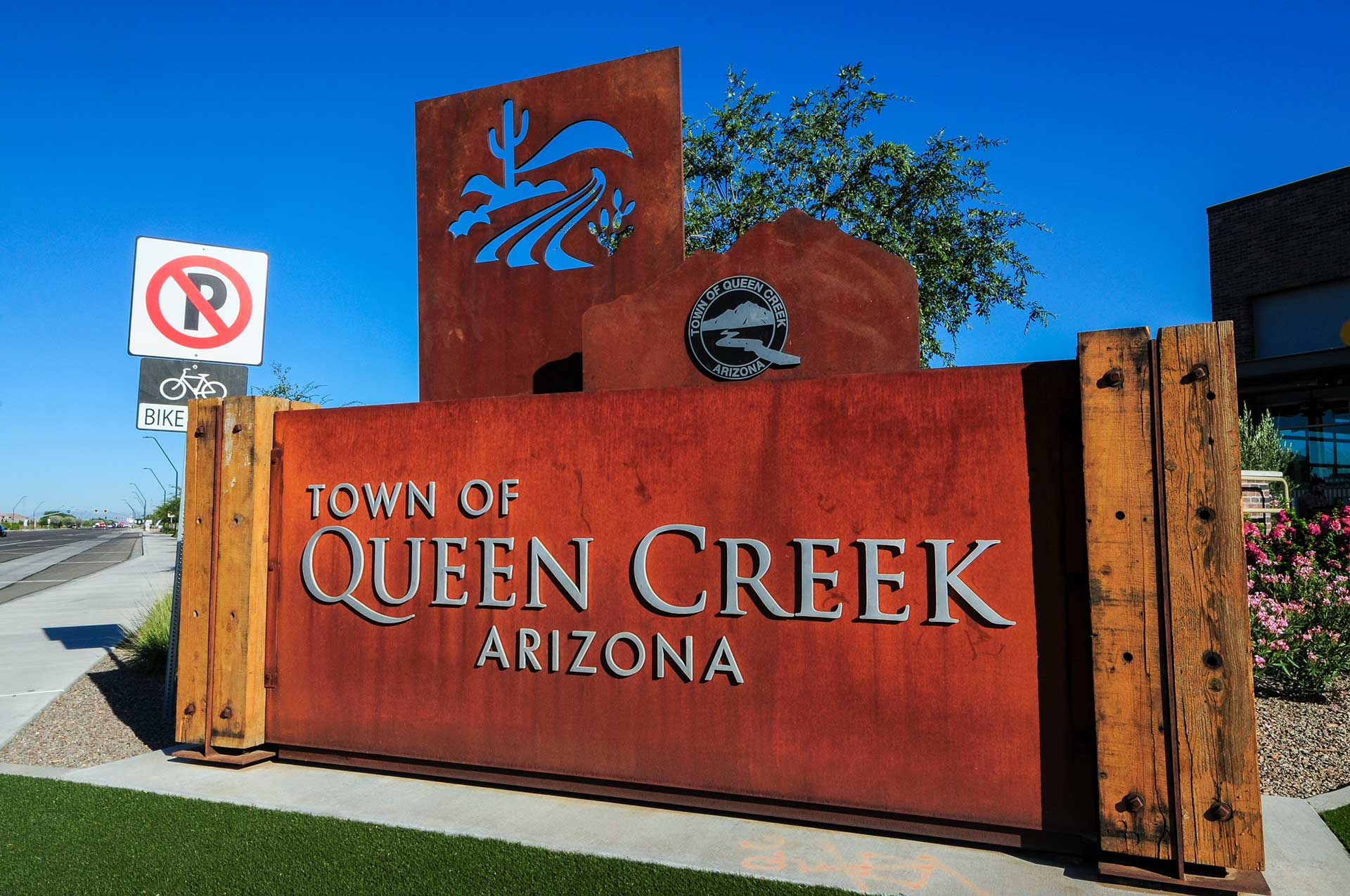
Most homeowners in Queen Creek do not wake up one day and decide to research whole home surge protection.They call an electrician after something stops working.
The power goes out during a monsoon storm. It comes back on. Everything seems fine, until the AC will not restart, a TV has sound but no picture, or a solar inverter suddenly throws a fault code that was never there before.
That is usually when surge protection enters the conversation.
The Reality of Power Surges in Arizona Homes
Arizona homes experience electrical stress differently than many parts of the country. In the East Valley, power surges are often tied to a combination of monsoon storms, extreme heat, and high electrical demand.
During storm season, lightning does not need to strike your home directly to cause problems. Voltage spikes can travel through utility lines when equipment switches or when power is restored after an outage. APS and SRP customers often experience brief flickers or momentary outages that seem harmless at the time.
Those small events are easy to ignore, but they are often when damage quietly occurs.
What Usually Fails First After a Surge
One of the biggest misconceptions homeowners have is that surge damage is always dramatic or immediate. In reality, many failures show up hours or days later.
In Queen Creek homes, the most common issues electricians see after storms include:
- Air conditioning systems that will not turn back on
- Smart thermostats or control boards that stop responding
- TVs or monitors that power on but display nothing
- Internet routers or mesh systems that repeatedly reset
- Solar inverters reporting unexplained errors

These are not always total failures. Sometimes equipment limps along for weeks before failing completely. By then, the connection to a power surge is easy to miss.
Why Modern Homes Are More Vulnerable
Today’s homes rely on far more sensitive electronics than homes built even twenty years ago. That includes not just entertainment systems, but also equipment that keeps the home comfortable and connected.
Queen Creek has seen rapid growth in homes with:
- Central AC systems running long hours during summer
- Solar panel systems tied into the electrical grid
- EV chargers drawing high loads
- Smart lighting, security, and automation devices
All of these systems use circuit boards and components that are far less tolerant of voltage irregularities than older mechanical equipment.
The more technology a home has, the greater the risk of surge-related damage.
Why Power Strips Often Create a False Sense of Security
Many homeowners assume they are protected because they use surge-protecting power strips. Those devices can help protect individual electronics, but they do not address what happens before power reaches outlets.
Power strips do not protect:
- Hardwired equipment like AC units
- Electrical panels and breakers
- Appliances connected directly to circuits
- Solar and EV equipment
They are also designed to absorb limited surges. After repeated events, they may offer little protection without showing obvious signs of failure.
This is why some homeowners are surprised when protected electronics survive, but larger systems do not.
Timing Matters More Than Most People Realize
A common pattern electricians see is homeowners asking about surge protection after replacing damaged equipment.
At that point, the question is no longer whether surge protection is worth it. It becomes whether the damage could have been reduced or avoided earlier.
For many homes, surge protection makes the most sense when:
- Storm-related outages are becoming more frequent
- Expensive equipment has recently been installed
- A home is being upgraded with solar or EV charging
- An electrical panel has already been evaluated or upgraded
Thinking about protection before something fails is almost always less stressful than reacting after the fact.
What Surge Protection Does Not Do
It is also important to be realistic. Surge protection is not a guarantee that nothing will ever fail. Extremely powerful events can still cause damage.
Surge protection helps reduce risk, especially from the more common, less dramatic surges that slowly wear down equipment over time.
Understanding that distinction helps homeowners make clearer decisions without unrealistic expectations.
Why Local Experience Matters
Electrical systems are affected by local conditions. Arizona heat, monsoon storms, and regional utility infrastructure all play a role in how homes experience surges.
Working with electricians who understand Queen Creek housing patterns, utility behavior, and storm seasons helps homeowners get clearer answers about risk and preparedness, rather than generic advice that may not apply locally.
A Smarter Way to Think About Surge Protection
Instead of asking, “Do I need surge protection right now?” a better question is often:
“What would be the most expensive or disruptive thing to fail in my home after a storm?”
For many homeowners, that thought experiment alone changes how they view electrical protection.
If you want to explore how surge protection fits into the broader electrical setup of a Queen Creek home,
Call Scheid Electric: 480-630-5075