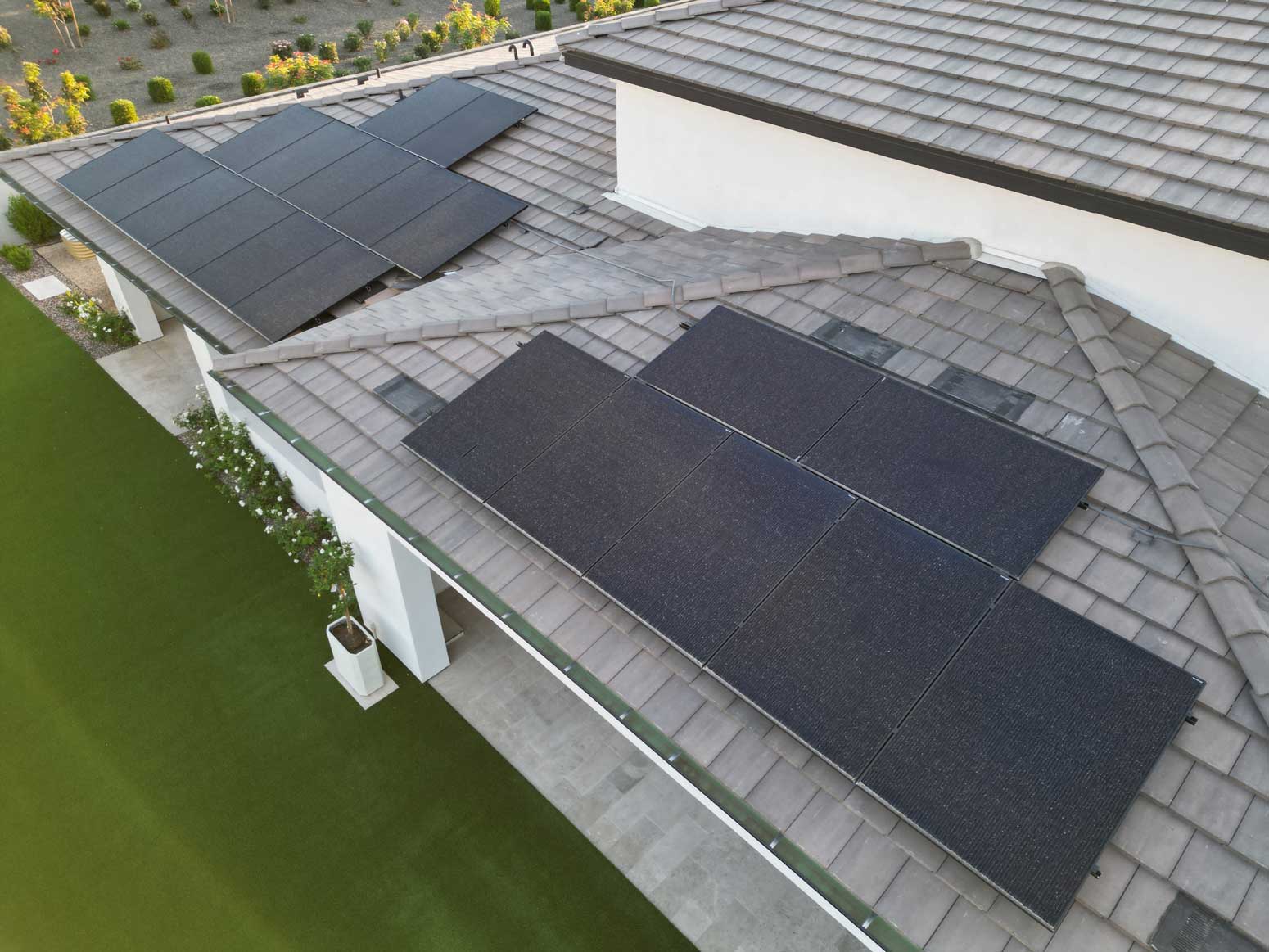
Solar panels help Arizona homeowners produce clean power during the day. The challenge is what happens after the sun goes down, during peak utility hours, or when the grid goes out.
That is where solar energy storage becomes valuable. A home battery system stores excess solar power so you can use it later instead of sending all of it back to the grid. For homeowners in Queen Creek, Gilbert, Mesa, Chandler, San Tan Valley, and nearby Arizona communities, storage can make a solar investment more practical, flexible, and resilient.
This guide explains the biggest solar energy storage benefits for homeowners in 2026, what batteries can and cannot do, and when it makes sense to pair storage with a solar panel system.
What Is Solar Energy Storage?
Solar energy storage uses a battery system to hold electricity generated by your solar panels. During sunny hours, your panels produce power for your home. If they produce more than you are using at that moment, a battery can store part of that excess energy for later.
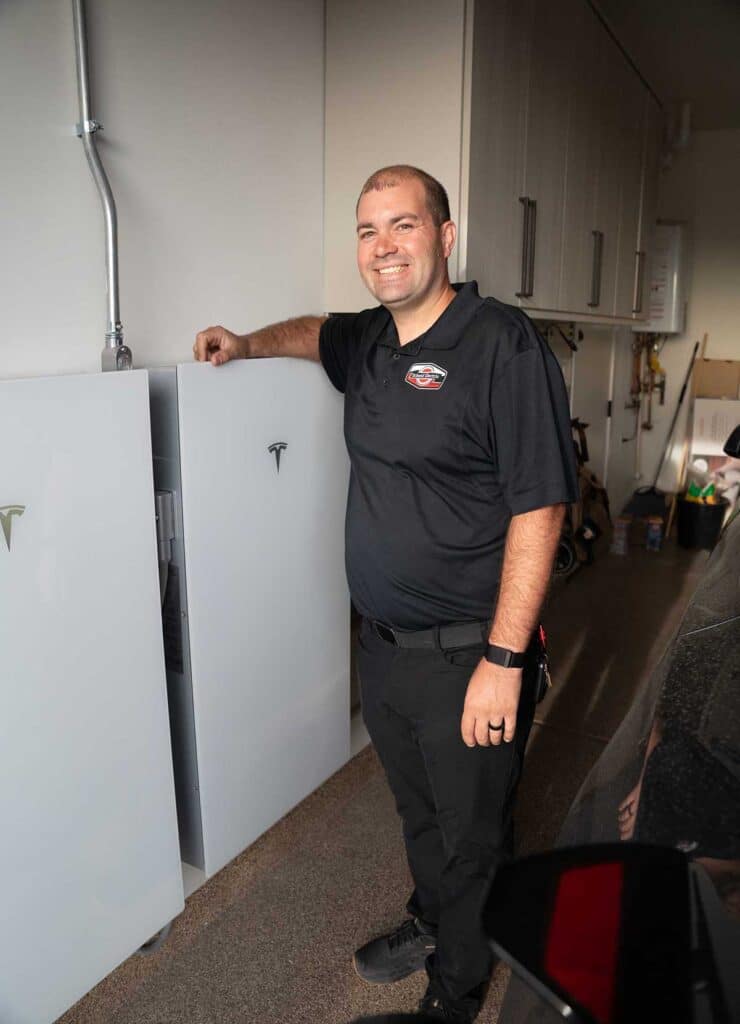
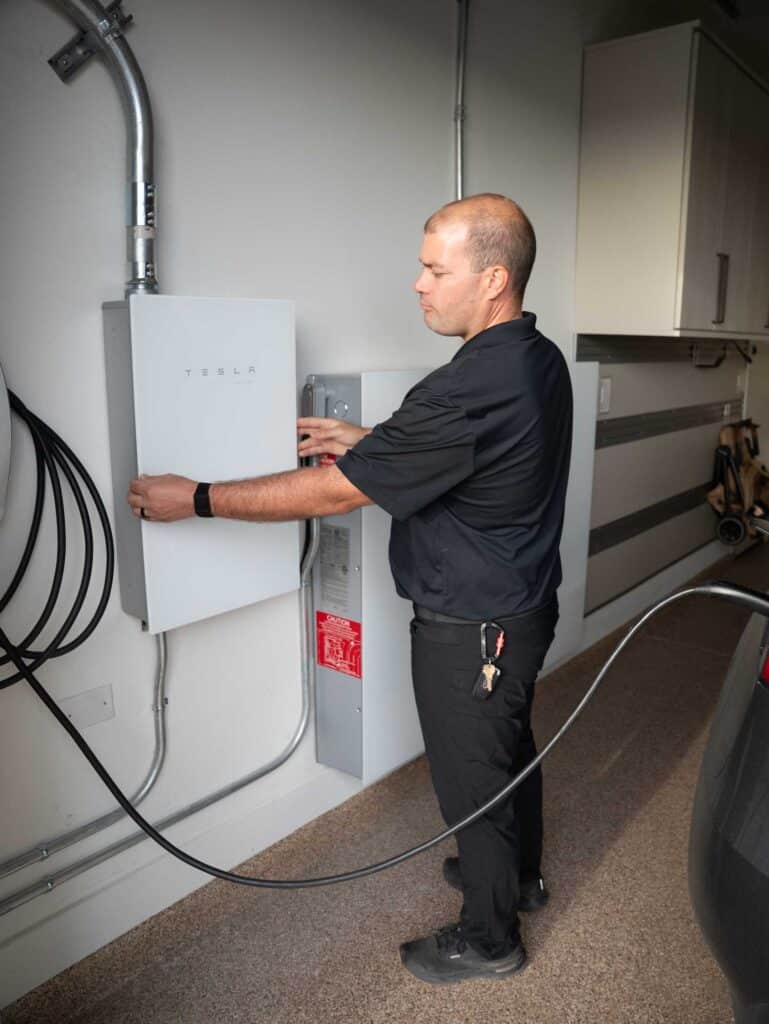
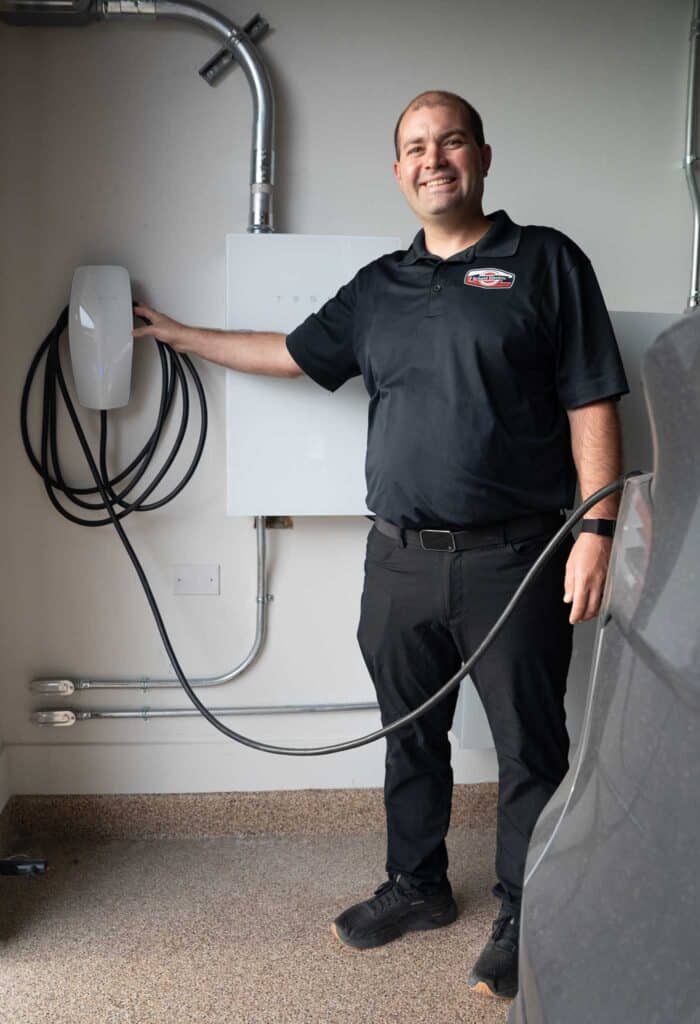
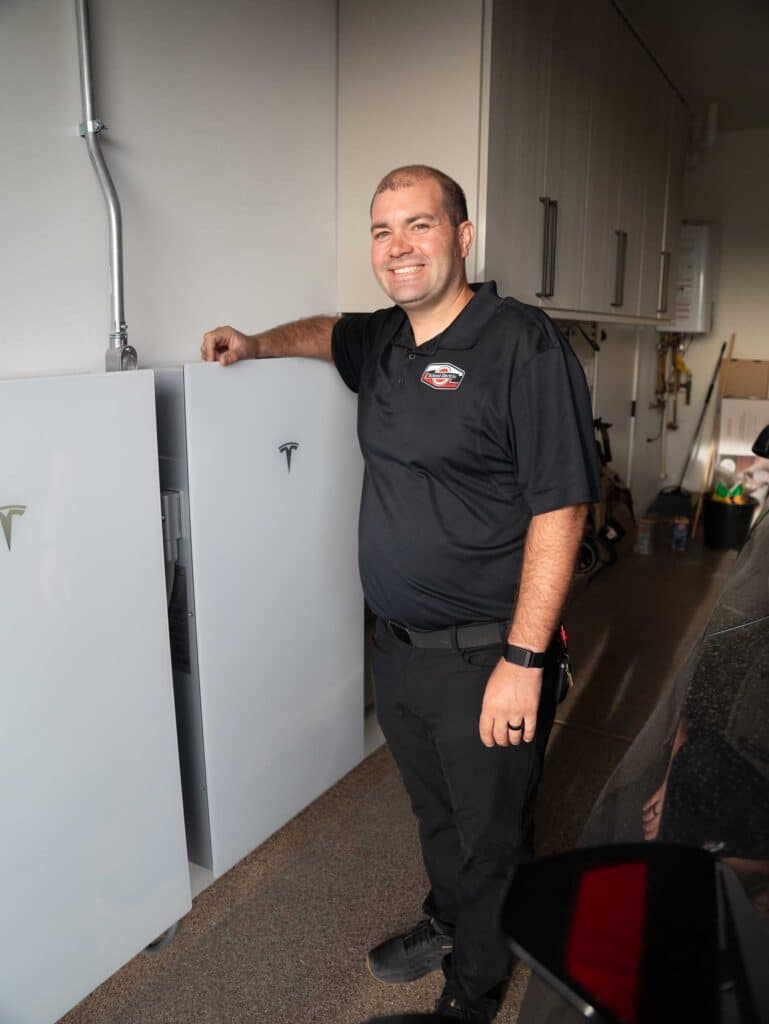
That stored energy can then be used in the evening, during peak-rate windows, or during an outage depending on how the system is designed.
For many Arizona homeowners, the appeal is simple: solar panels produce the most energy when the sun is strongest, but most households still use a lot of electricity later in the day. Battery storage helps close that gap.
Benefit #1: Use More of the Solar Power You Produce
Without battery storage, excess solar energy is usually exported to the grid. That can still be useful, but many homeowners would rather keep more of their own power on-site.
A battery gives you more control over when your solar energy gets used. Instead of relying only on daytime production, you can store energy while the sun is out and use it later when your home needs it most.
This is especially helpful in Arizona, where air conditioning, pool equipment, appliances, and evening routines can create significant power demand after solar production starts dropping.
Benefit #2: Backup Power During Outages
Power outages are not always long, but even short interruptions can be frustrating. A properly designed battery system can keep selected parts of your home running when the grid is down.
Depending on the system size and setup, battery backup may support essentials such as:
- Refrigerators and freezers
- Wi-Fi and home office equipment
- Medical devices
- Lighting
- Garage doors
- Selected outlets
Some homeowners want whole-home backup, while others prefer to back up only critical loads. The right approach depends on your budget, your panel setup, and what you want powered during an outage.
Benefit #3: Better Protection During Arizona Storm Season
Arizona homeowners know how quickly monsoon weather can change the day. Wind, lightning, heavy rain, and utility issues can all affect power reliability.
Solar energy storage gives your home an added layer of preparation. It will not prevent outages from happening, but it can reduce the disruption when they do.
For homes with refrigerated food, home offices, security systems, or medical equipment, that added reliability can make a battery system feel less like a luxury and more like practical home infrastructure.
Benefit #4: Reduce Grid Dependence During Peak Hours
Many Arizona utility plans charge different rates depending on when electricity is used. That means power can cost more during certain high-demand windows.
A battery can help shift some of your usage away from those expensive periods. Instead of pulling power from the grid when rates are higher, your home may be able to use stored solar energy from earlier in the day.
This is one of the main reasons homeowners ask about solar battery storage in 2026. It is not only about having backup power. It is also about using energy more strategically.
Benefit #5: Get More Value From Your Solar Panel System
Solar panels and battery storage work best when they are designed together. The solar system creates the energy, and the battery helps decide when that energy gets used.
If you already have solar panels, adding a battery can make your system more flexible. If you are planning a new solar installation, designing the system with storage in mind can help avoid electrical limitations later.
Homeowners considering solar can learn more here:
Solar Panel Installation in Arizona
Benefit #6: Prepare Your Home for EV Charging
As more homeowners add electric vehicles, home energy planning becomes more important. EV charging can increase household electricity use, especially if charging happens during evening hours.
Solar energy storage can help homeowners think ahead. A battery may not replace the need for proper EV charger wiring, but it can become part of a broader energy plan that includes solar, storage, panel capacity, and charging habits.
If you are planning to install an EV charger, it is worth reviewing your electrical panel and solar setup at the same time.
Learn more about EV charger installation
Benefit #7: Increase Energy Independence
Energy independence does not always mean going fully off-grid. For most homeowners, it means having more control over where their power comes from and how it is used.
With solar panels alone, you are producing your own electricity during daylight hours. With solar and battery storage, you gain more flexibility after sunset and during grid interruptions.
That extra control is one of the biggest reasons homeowners are paying attention to solar energy storage in 2026.
Benefit #8: Support Sensitive Electronics and Modern Home Systems
Modern homes rely on more electronics than ever. Smart thermostats, Wi-Fi systems, security cameras, computers, appliances, and EV chargers all depend on consistent power.
A battery system can help provide more stable access to backup power when the grid goes down. For full protection, homeowners may also want to ask about surge protection, panel condition, and proper grounding.
Battery storage is one piece of a larger electrical system. The best results come when everything is designed to work together.
Do You Need Solar Panels to Install Battery Storage?
In many cases, homeowners pair batteries with solar panels because that setup allows the battery to recharge from solar energy. Some battery systems may also be installed for backup without solar, depending on the equipment and local requirements.
For long-term value, solar plus storage is usually the more complete solution. The panels produce power during the day, and the battery stores part of that production for later use.
If your goal is backup power, lower grid dependence, and better use of solar energy, combining both systems is often worth discussing.
Is Solar Battery Storage Worth It in Arizona?
Battery storage is not the right fit for every home. It makes the most sense when the benefits line up with how you actually use energy.
Solar storage may be a strong fit if you:
- Already have solar panels or plan to install them soon
- Use a lot of electricity in the evening
- Want backup power during outages
- Have medical equipment or home office needs
- Plan to add an EV charger
- Want to rely less on the grid during peak hours
The best way to know is to review your utility usage, electrical panel, solar production goals, and backup power priorities.
What to Consider Before Installing a Home Battery
Before installing battery storage, homeowners should look at a few practical details:
- Electrical panel capacity: Some homes may need panel work before adding storage.
- Backup priorities: Decide whether you want to power the whole home or only essential circuits.
- Solar system size: The battery should match your energy usage and solar production.
- Available installation space: Batteries need a safe, code-compliant location.
- Future upgrades: EV chargers, pool equipment, HVAC changes, and remodels may affect system planning.
If your electrical panel is older or already near capacity, start there before adding new energy equipment.
Learn more about electrical panel upgrades
Why Work With an Electrician for Solar Battery Storage?
Battery storage connects directly into your home’s electrical system. That means proper installation matters for safety, performance, permitting, and long-term reliability.
A qualified electrician can help answer important questions:
- Can your current panel support battery storage?
- Which circuits should be backed up?
- Does your solar system need changes?
- Where should the battery be installed?
- Will your setup support future EV charging?
For Arizona homeowners, local experience matters. Utility requirements, heat, panel location, and home layout all affect the final design.
Solar Energy Storage Benefits for Homeowners in 2026: The Bottom Line
Solar energy storage gives homeowners more control over their power. It helps store daytime solar production, reduce dependence on the grid during peak times, and provide backup power when outages happen.
For Arizona homes with solar panels, EV chargers, high summer usage, or critical backup needs, a battery system can be a practical upgrade.
The right system depends on the home. That is why a proper review of your panel, usage, roof solar potential, and backup goals matters before making a decision.
Talk to Scheid Electric About Solar Battery Storage
If you are considering solar energy storage for your Arizona home, Scheid Electric can help you understand your options and design a system that fits your needs.
We work with homeowners across Queen Creek, Gilbert, Mesa, Chandler, San Tan Valley, and surrounding communities to plan safe, reliable solar and battery storage systems.
Explore battery storage options:
Battery Storage Installation in Arizona
Planning solar too?
Solar Panel Installation in Arizona
Call Scheid Electric:
(480)-630-5075
A short consultation can help you decide whether battery storage belongs in your home’s energy plan for 2026 and beyond.